are separated from the wastewater using their different physical properties (sieving/screening/settling), cleaned and then disposed of.


With our water supply and wastewater treatment plants, we close the natural water cycle, recover valuable materials of fundamental importance for agriculture and industry, and help to protect ecosystems and the health of millions of people.
At the same time, we focus on generating renewable energy wherever possible, not only to ensure the self-sufficient operation of our plants but also to supply connected local communities.
For example, the ultra-modern plant in Hanover’s Lahe district is the first single-fuel incineration plant to feed into a municipal district heating network. The plant can thermally utilise around 130,000 tons of dewatered sewage sludge per year and generate up to 56 million kilowatt hours of district heating in this way – a valuable contribution to the climate-friendly supply of the regional district heating network. The district heating generated covers the annual requirements of up to 15,000 customers in the enercity supply area.
Wastewater treatment and sewage sludge incineration in Skopje, North Macedonia, is another example of renewable energy generation. Solar power plants with a total capacity of 2 MWp are being installed to cover the facility’s own electricity needs. With an average annual output of 3,168,000 kWh, they are expected to contribute to the wastewater treatment plant’s energy budget — regardless of its operating load. In addition, the gas produced during wastewater treatment is used to power high efficient combined heat ans power (CHP) plants. These cover most of the facility’s electrical and thermal energy needs. An additional steam turbine integrated into the system provides further energy for the plant’s processes. Combined with photovoltaic power, the plant produces more energy overall than it consumes. The local energy supplier has already contractually guaranteed the feed-in of surplus energy into the public grid.
With the help of our plants, we recover the valuable resource of water – but also numerous reusable materials, which we extract from residual materials using innovative processes, thereby specifically introducing them into the natural material-recycling process. In this way, we want to make a contribution to maximum raw material efficiency and holistic recovery with each of our projects so that no value is lost.
Wastewater contains various impurities ranging from undissolved solids and fats and carbon compounds to drug residues and microplastics. The task of our plants is not to only the removal of these impurities from the water, but also the return or use of the contained recyclable materials.
are separated from the wastewater using their different physical properties (sieving/screening/settling), cleaned and then disposed of.
are separated and collected. Digestion processes produce methane gas, which is used to generate heat and electricity.
serve as a nutrient in biological treatment: microorganisms use them to build up their own biomass. In the form of sludge, this mass is used for the production of methane gas and when dried, it is an energy-rich fuel.
is an important constituent for the growth of plants. However, in the high concentration that prevails in the wastewater, it leads, among other things, to eutrophication of water bodies, to the detriment of aquatic organisms. For this reason, we remove nitrogen compounds from the wastewater, and – with our second research project on microbial fuel cells – are laying the foundation for the recovery of ammonium, which is contained in fertilisers, for example.
is as important to plants as nitrogen. However, its recovery is more difficult because phosphorus is bound in the biomass of the microorganisms and therefore discharged together with the sludge. For this reason, we enrich the phosphorus content in the incineration ash in sewage sludge mono-incineration plants so that it can then be recovered as a valuable material via a treatment process.
the most valuable component, is purified during the treatment process and can then either be returned to its natural cycle, used directly as process water or indirectly introduced into drinking water treatment.
Our holistic concepts largely recover the energy potential contained in wastewater. This is how disposal becomes supply.
Fabian Lappé, WTE Wassertechnik GmbH, Head of Business Division Technology / Design
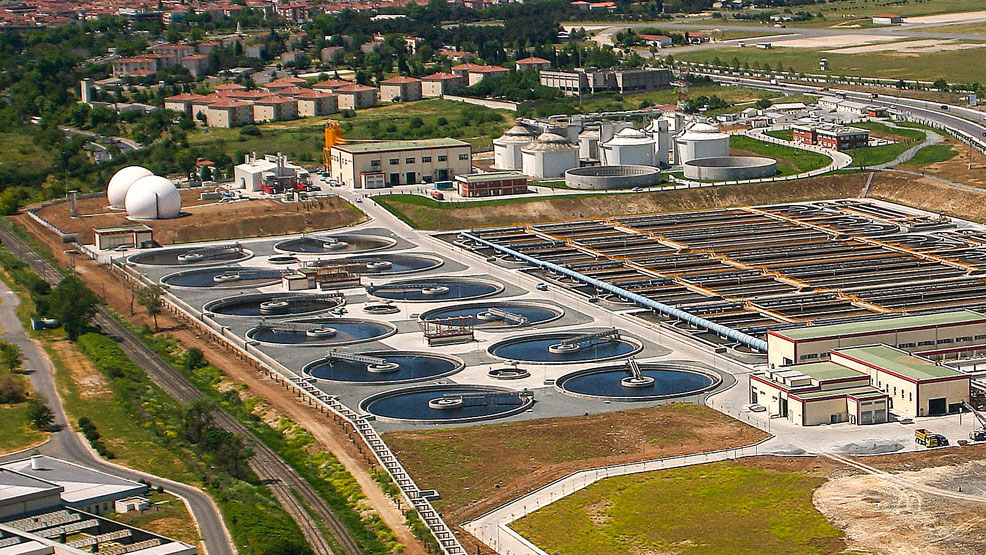
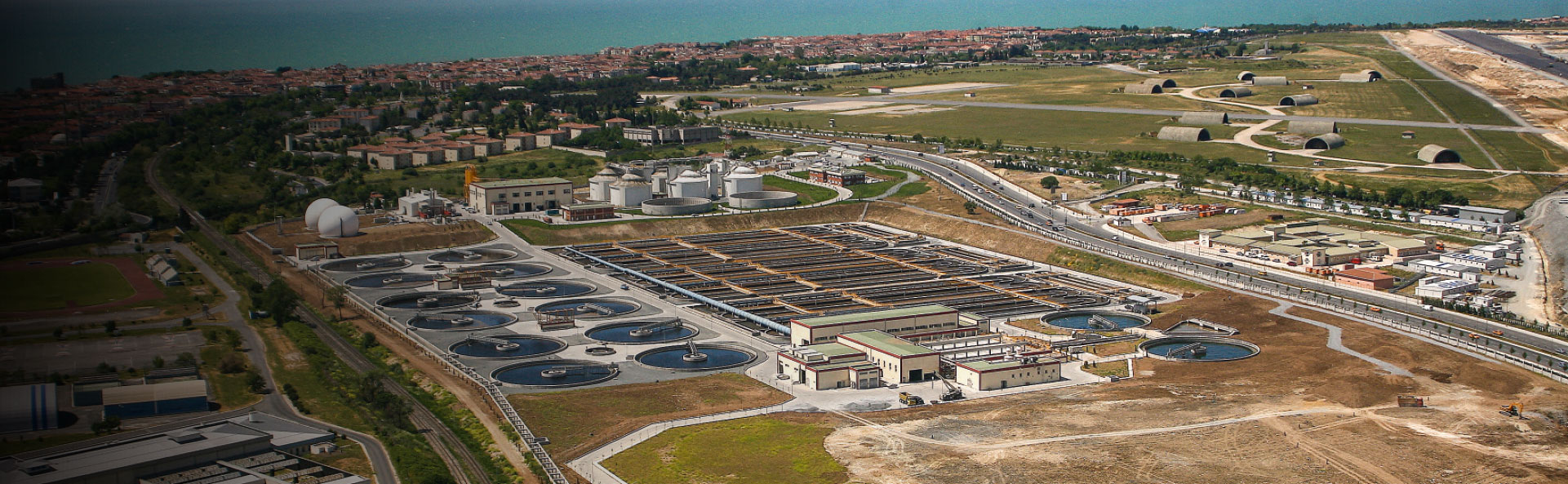
Wastewater treatment Ataköy, Turkey
View reference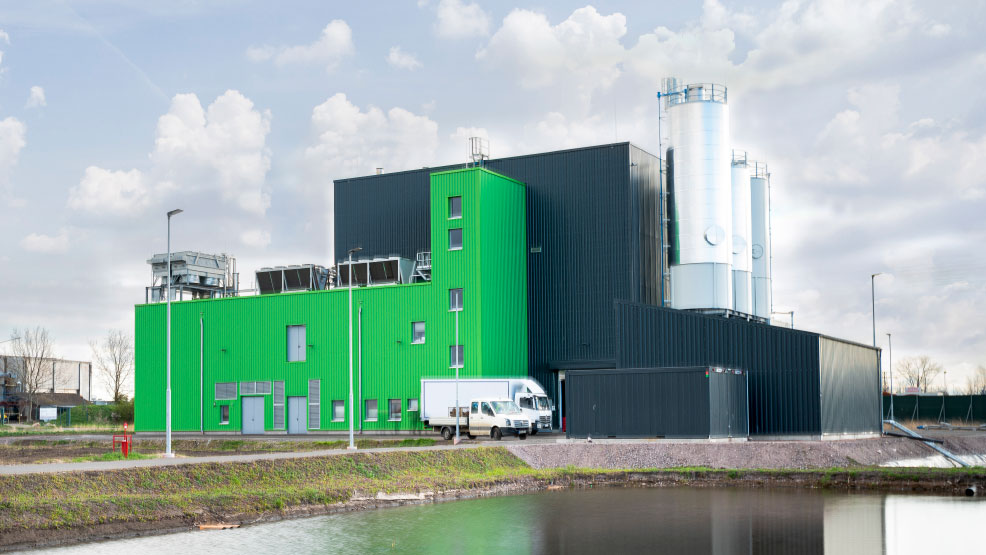
Sewage sludge mono-incineration Halle-Lochau/Germany
View reference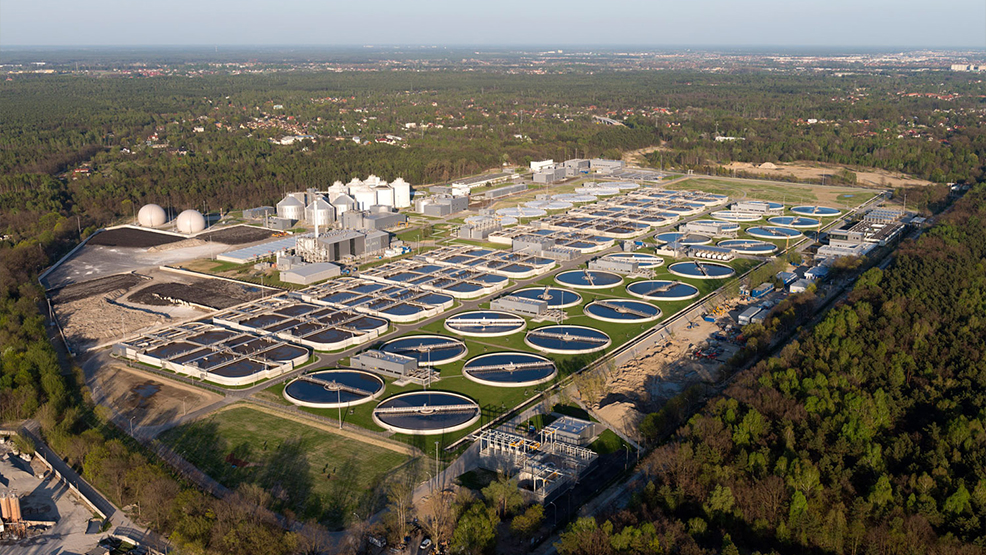
Czajka Wastewater Treatment, Warsaw, Poland
View reference
Wherever possible, we utilise the energy sources of the entire process chain usable during the construction of our plants. In the case of water technology plants, this not only includes the use of photovoltaics, but also the production and use of biogas. This is produced in the digestion process of the sludge treatment and is used to generate electricity and heat. Both forms of energy can be used directly in the plant to increase the degree of self-sufficiency and thus reduce dependence on fossil fuels. In the case of sewage sludge mono-incineration plants, the waste heat generated in the process is used for internal consumers and can also be used for district heating and/or to supply electrical energy, which can also be fed into the public grid. In this way, the WTE Group makes an important contribution to conserving resources and avoiding fossil fuels.
Phone: +49 201 8968 500
Email: sustainability@wte.de